Material · Polyester (PET)
Polyester Rope
Low stretch, excellent UV and abrasion resistance, keeps its strength when wet — the reference fiber for long-term outdoor and marine rigging.
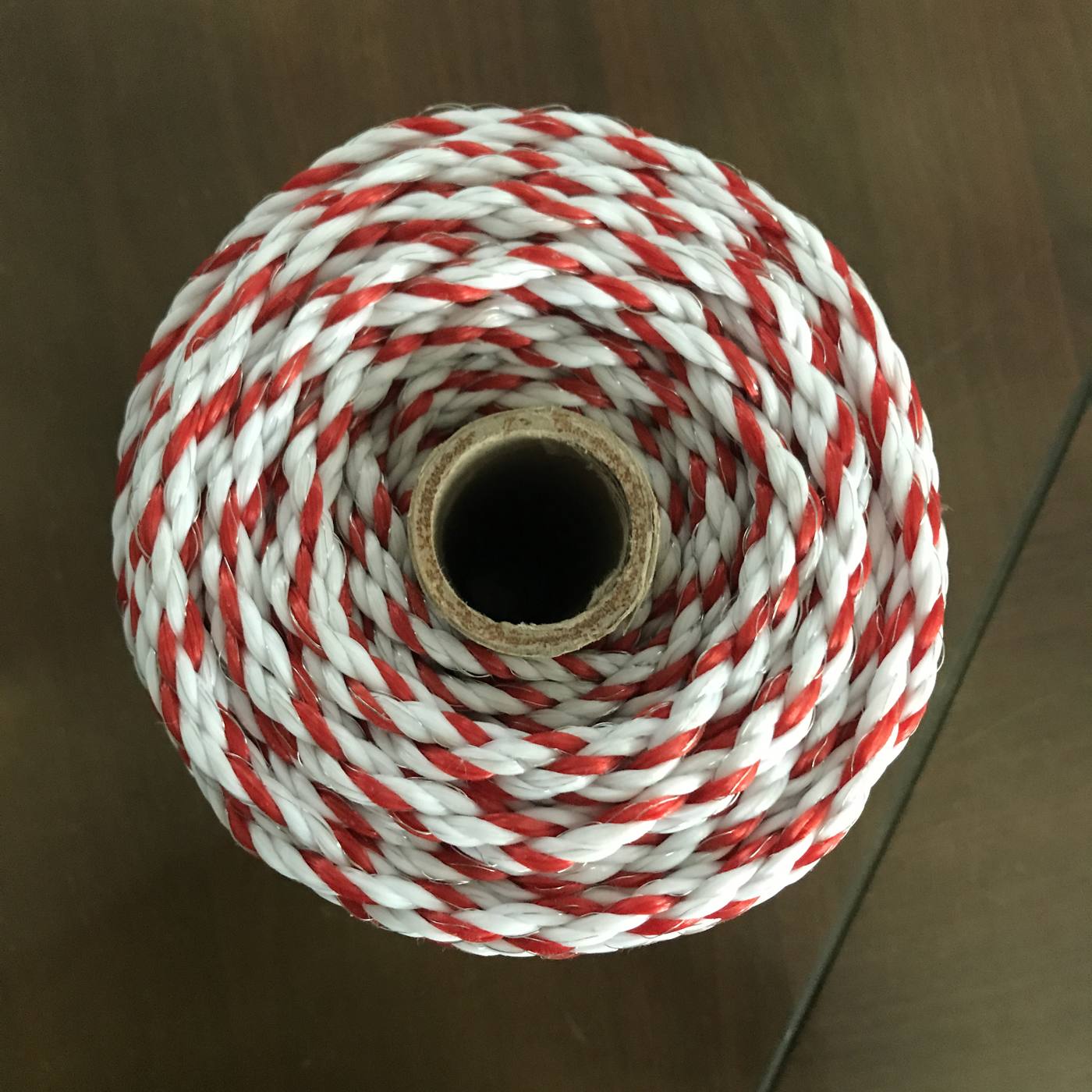
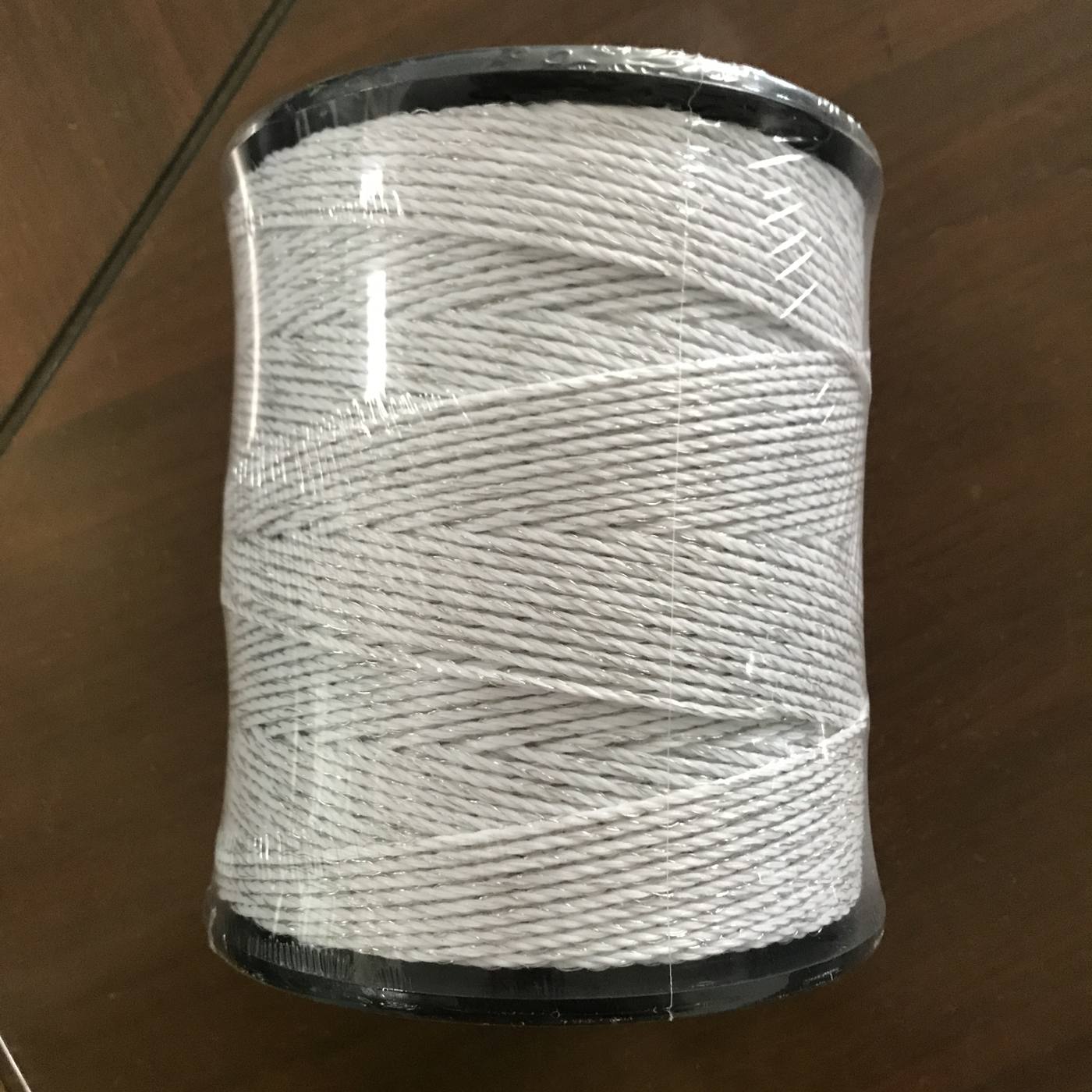
| Floats on water? | No — sinks |
|---|---|
| UV resistance | Excellent — the best of the common synthetic fibers |
| Stretch behavior | Low — holds length and tension under load |
| Water absorption | Negligible absorption; wet strength essentially unchanged |
| Handling feel | Firm, dense, slightly fuzzy surface on staple-fiber versions |
| Property detail | |
|---|---|
| Specific gravity | ~1.38 — sinks in water |
| UV resistance | Excellent — suited to multi-year outdoor exposure |
| Stretch | Low elongation under load |
| Wet strength | Essentially equal to dry strength |
| Abrasion resistance | Very good |
| Relative cost | Mid-to-high; above PP/PE, comparable to nylon |
Polyester is the “stay-put” fiber: it stretches little, shrugs off sunlight and keeps working when wet. Where nylon is chosen for absorbing shock, polyester is chosen for holding position — flagpole halyards, marine rigging, outdoor installations measured in years rather than seasons.
Its abrasion resistance and wet-strength retention make polyester the default upgrade when a PP or PE rope fails outdoors too quickly. The trade-offs are price (above PP/PE) and the fact that it sinks — irrelevant for rigging, decisive on the water.
Common constructions include 3-strand twisted (traditional look, easy to splice) and solid/double braided (smoother, better over pulleys and cleats).
Best suited for
- Flagpole halyards (low stretch, UV-stable)
- Marine rigging and mooring where position holding matters
- Permanent outdoor installations
- Utility lines that must stay taut over time
Usually not the right choice for
- Applications that need shock absorption (nylon is better)
- Where a floating line is required
- Ultra-low-budget utility use (PP is cheaper)
Need a Polyester (PET) product quoted?
Send the target construction, diameter, length, quantity, packaging and application for review.
Constructions made from Polyester (PET)
3 Strand Twisted Rope
The classic rope construction: three strands twisted in a spiral. Economical, easy to inspect and the easiest construction to splice.
Solid Braided Rope
A firm, round braid with a compact core — keeps its shape, resists rotation and runs smoothly. The standard flagpole halyard construction.
Double Braided Rope
Braid-on-braid: a braided core inside a braided cover, sharing the load. The premium marine construction for dock lines and rigging.
8 Strand Plaited Rope
Eight strands plaited in pairs — a square-ish, torque-free large-diameter rope. The workhorse mooring construction for commercial marine.
Products in Polyester (PET)
Related reading
Rope Materials Compared: PP vs PE vs Nylon vs Polyester vs Cotton
The five common rope fibers on one table: buoyancy, strength, stretch, UV life, wet behavior and cost — and the one-line rule for when each material wins.
Which Rope Is Best for Outdoor Use? UV, Weather and Service Life
Sunlight destroys the wrong rope in a single season. How PP, PE, nylon and polyester compare outdoors, when UV stabilization is enough, and when to upgrade to polyester.
Marine Rope Buying Guide: Anchor, Mooring, Dock & Utility Lines
Nylon for shock absorption, PP for floating, polyester for position holding — how to choose marine rope by line function, with specification tips for mooring RFQs.