Construction · twine
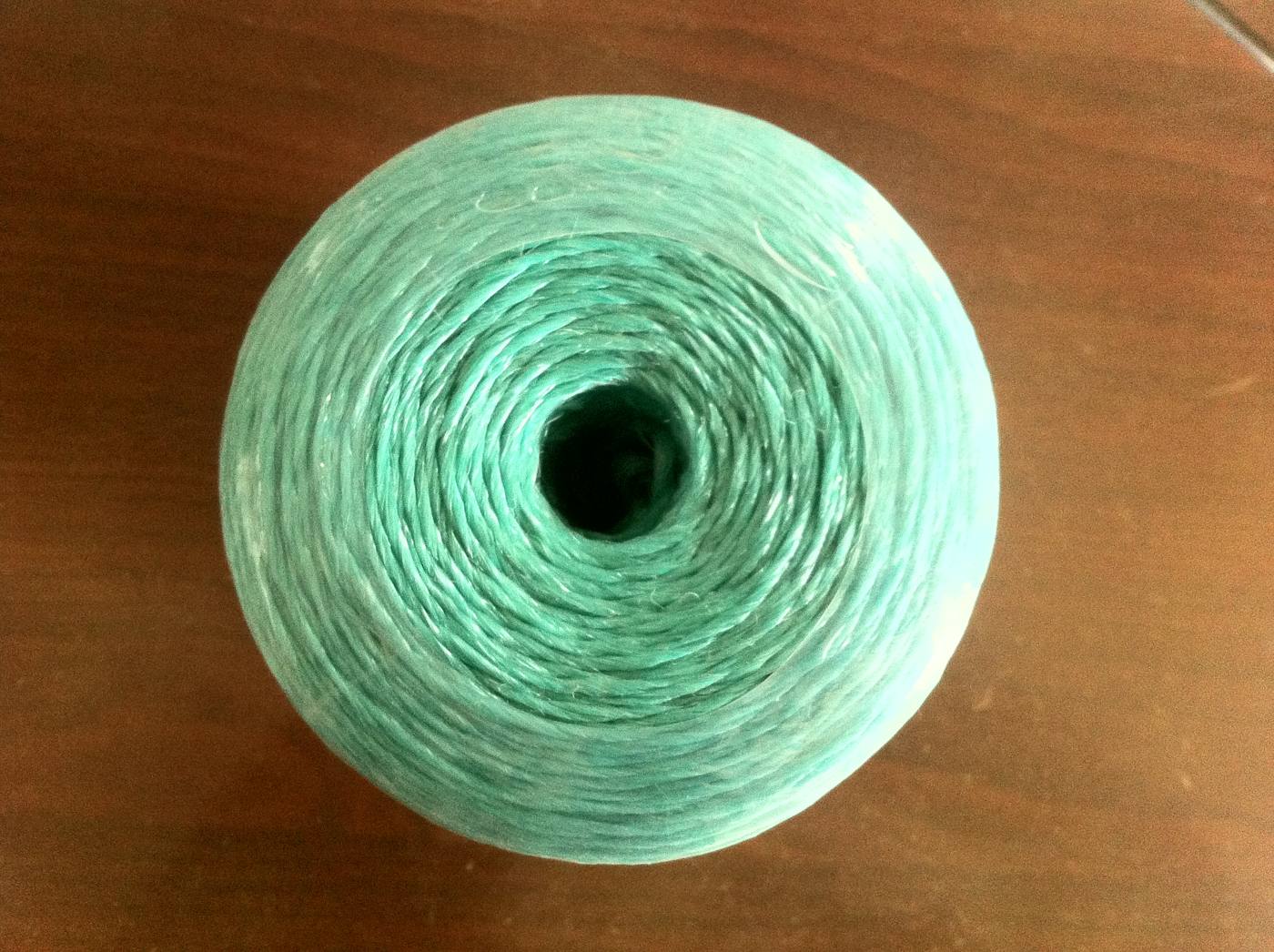
Multifilament Twine
Twine twisted or braided from many fine filaments — soft, flexible and knot-friendly. Used for marine utility, net making and soft-hand tying.
How it is built
Many fine continuous filaments (PP, PE or nylon) grouped into plies, then twisted or braided into twine. Specified by denier system (e.g. 210D) and ply count.
How it handles
Soft and flexible with a textile feel; easy on hands, easy to knot, lays flat in net work.
| Approx. 0.3 mm – 4 mm (specified by denier/ply systems) |
Structure illustration placeholder — technical drawing will be added.
Strengths
- Soft, flexible, comfortable handling
- Excellent knotting behavior
- Consistent quality for industrial net making
- Available twisted or braided
Limitations
- Lower abrasion tolerance than monofilament at same size
- Snags more easily on rough surfaces
- Cost slightly above monofilament for equivalent size
Common uses
Ready to discuss this product?
Send the target size, length, quantity, packaging and destination for specification review.
Common materials for this construction
Polypropylene Rope
The most widely used synthetic rope fiber: lightweight, floats on water, rot-proof and economical. The default choice for packing, marine utility and agriculture.
Polyethylene Rope
Soft, flexible and floatable — the standard fiber of the fishing and aquaculture industry, and a good choice for cold-weather or repeated-handling utility rope.
Nylon Rope
The strongest of the common synthetic rope fibers, with high elasticity that absorbs shock loads — the classic choice for anchor, mooring and dock lines.