Construction · braided
Diamond Braided Rope
A flexible maypole braid, with or without a core. Soft handling, smooth surface — the everyday “hardware store” braided rope and utility cord.
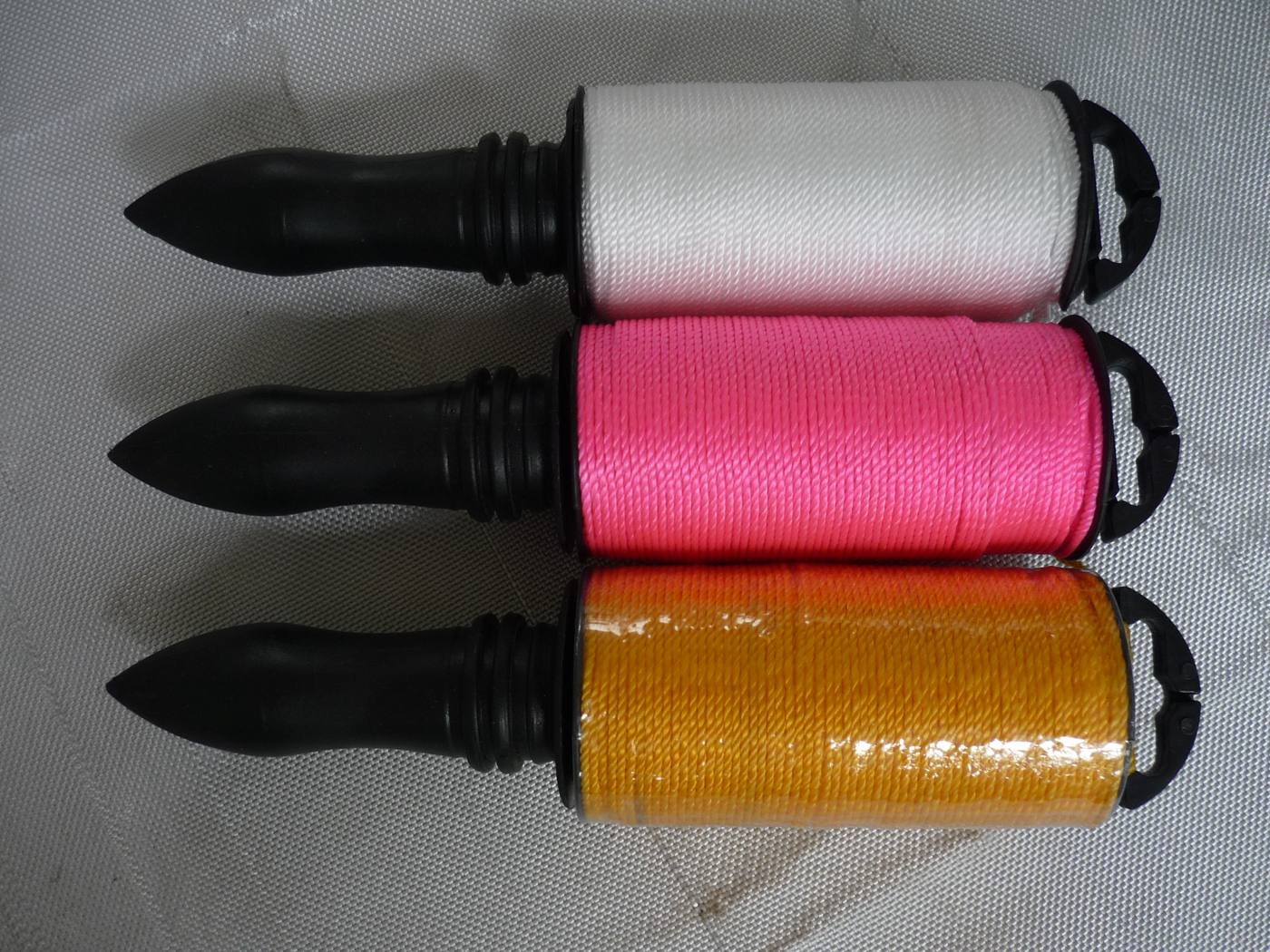
How it is built
Strands braided over-and-under in a diamond pattern, either hollow-cored or around a loose fiber core, depending on the product.
How it handles
Soft, flexible, easy to knot; flattens more than solid braid. Smooth surface is comfortable for hand lines.
| 2 mm – 20 mm |
Structure illustration placeholder — technical drawing will be added.
Strengths
- Soft, flexible, pleasant handling
- Does not kink like twisted rope
- Wide color and diameter range, easy to cut and seal (synthetics)
- Economical in PP
Limitations
- Core can herniate through the cover under severe point loads
- Not spliceable like twisted rope
- Lower strength-to-diameter than double braid
Common uses
Ready to discuss this product?
Send the target size, length, quantity, packaging and destination for specification review.
Common materials for this construction
Polypropylene Rope
The most widely used synthetic rope fiber: lightweight, floats on water, rot-proof and economical. The default choice for packing, marine utility and agriculture.
Polyethylene Rope
Soft, flexible and floatable — the standard fiber of the fishing and aquaculture industry, and a good choice for cold-weather or repeated-handling utility rope.
Cotton Rope
Soft, natural and knot-friendly — chosen for decoration, crafts, pet products and packaging where hand feel and appearance matter more than strength.
Mixed & Specialty Rope
Engineered combinations — blended fibers for cost/performance balance, and functional electric fence polywire, polyrope and polytape with integrated metal conductors.
Products with this construction
Related reading
Twisted Rope vs Braided Rope: A Buyer's Comparison
Twisted rope is cheaper and spliceable; braided rope handles better and never kinks. Which construction fits your application — and what each costs you.
How to Choose Rope Diameter (Without a Strength Table)
Diameter is about handling, hardware fit and abrasion allowance as much as strength. Practical diameter ranges by job — and why 'thicker' is not always 'safer'.